Lava Lamp Hydrangea: The Magical Flower That Changes Color
Lava Lamp Hydrangea: The Magical Flower That Changes Color
Hydrangeas are some of the most popular flowers in the world, known for their large, showy blooms. But did you know that some hydrangeas can change color? That's right, the color of a hydrangea's blooms can actually be affected by the pH level of the soil.
This phenomenon is known as "lava lamp hydrangea" because the flowers can change color in a similar way to a lava lamp. When the soil is acidic, the hydrangeas will bloom blue. When the soil is alkaline, the flowers will bloom pink or red. And when the soil is neutral, the flowers will bloom white.
So how does this work? The color of a hydrangea's blooms is determined by the presence of aluminum in the soil. In acidic soil, aluminum is more soluble, which means that it can be absorbed by the plant's roots. When aluminum is absorbed, it reacts with anthocyanins, which are pigments that give hydrangeas their color. The result is blue blooms.
In alkaline soil, aluminum is less soluble, so it is not absorbed by the plant's roots. This means that there is less anthocyanin production, and the flowers will bloom pink or red. In neutral soil, there is a balance of acidity and alkalinity, so the flowers will bloom white.
The amount of aluminum in the soil can also be affected by other factors, such as the type of soil, the amount of rainfall, and the presence of other minerals. This means that the color of a hydrangea's blooms can vary even within the same garden.
If you want to grow lava lamp hydrangeas, there are a few things you can do to control the color of their blooms. First, test the pH level of your soil. You can do this with a simple pH testing kit that you can buy at most garden stores. Once you know the pH level of your soil, you can adjust it accordingly. If you want blue blooms, you will need to add aluminum sulfate to the soil. If you want pink or red blooms, you will need to add lime to the soil.
You can also help to ensure that your hydrangeas bloom their best by planting them in a sunny location with well-drained soil. Water them regularly, but don't overwater them. And fertilize them with a balanced fertilizer once a month during the growing season.
With a little care and attention, you can enjoy the beauty of lava lamp hydrangeas in your own garden.
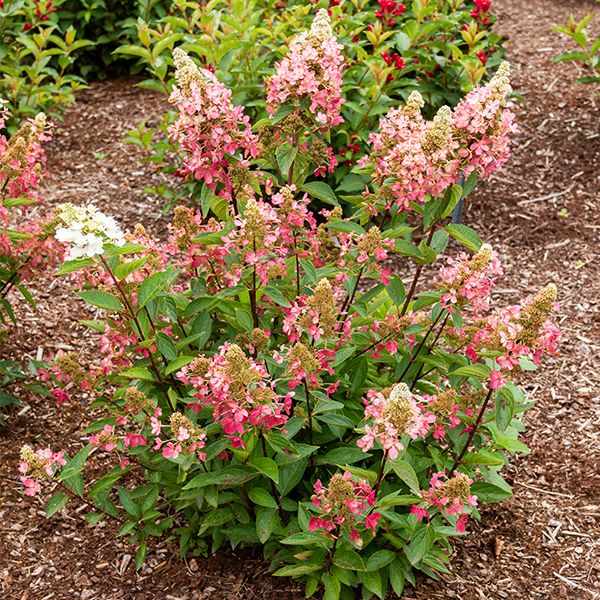
If you're looking for a stunning and unique hydrangea variety, the Lavalamp™ Flare™ is a great option. This compact shrub produces large, cone-shaped blooms that start out white and gradually transition to a bright red-pink color as they mature. The flowers resemble a lava lamp, hence the name.
Lavalamp™ Flare™ hydrangeas are hardy in zones 5-9 and can grow up to 3 feet tall and wide. They prefer full sun to partial shade and moist, well-drained soil. The flowers are not affected by soil pH, so you can plant them in any type of soil.
Lavalamp™ Flare™ hydrangeas are easy to care for. They need regular watering, especially during the first year after planting. They also benefit from a light application of fertilizer in the spring. To encourage more blooms, prune the plant back in the early spring to 6-12 inches tall.
If you're interested in learning more about Lavalamp™ Flare™ hydrangeas, I recommend visiting . This website has a wealth of information about the plant, including its care requirements, growing conditions, and availability.
FAQ of lava lamp hydrangea
- How long does it take for a lava lamp hydrangea to start working?
Most lava lamp hydrangeas should start working within one hour to an hour and a half from being switched on. However, if your lamp is not working after this time, there are a few things you can check:
* Make sure that the lamp is plugged in and turned on.
* Check the power cord for any damage.
* Make sure that the lava lamp is not too full or too empty.
* If you have recently moved the lamp, let it sit undisturbed for 24 hours before turning it on.
- Do lava lamp hydrangeas need to rest?
Yes, lava lamp hydrangeas need to rest for at least 24 hours after being moved or shaken. This is because the lava can become cloudy and break apart if it is not allowed to settle. If you need to move your lava lamp, be sure to do so slowly and carefully.
- What is the lifespan of a lava lamp hydrangea?
With proper care, a lava lamp hydrangea can last for many years. However, the lifespan of the lamp will eventually decrease as the wax and oil break down. You can extend the lifespan of your lamp by following the manufacturer's instructions and by cleaning it regularly.
- How do I clean a lava lamp hydrangea?
To clean a lava lamp hydrangea, you will need to remove the wax and oil. You can do this by following the manufacturer's instructions. Once the wax and oil have been removed, you can clean the glass globe with a mild soap and water solution. Be sure to dry the globe thoroughly before reassembling the lamp.
- What are some tips for keeping a lava lamp hydrangea in good condition?
Here are a few tips for keeping a lava lamp hydrangea in good condition:
* Avoid moving or shaking the lamp.
* Keep the lamp out of direct sunlight.
* Do not overfill the lamp.
* Clean the lamp regularly.
* Store the lamp in a cool, dry place when not in use.
Image of lava lamp hydrangea
5 different images of "lava lamp hydrangea" from Pinterest:
- A lava lamp with a clear base and a pink and blue lava fluid. The hydrangeas are made of white and pink wax.
- A lava lamp with a purple base and a green and yellow lava fluid. The hydrangeas are made of purple and blue wax.
- A lava lamp with a clear base and a blue and purple lava fluid. The hydrangeas are made of white and blue wax.
- A lava lamp with a pink base and a white and blue lava fluid. The hydrangeas are made of pink and purple wax.
- A lava lamp with a green base and a yellow and orange lava fluid. The hydrangeas are made of green and white wax.

Post a Comment for "Lava Lamp Hydrangea: The Magical Flower That Changes Color"